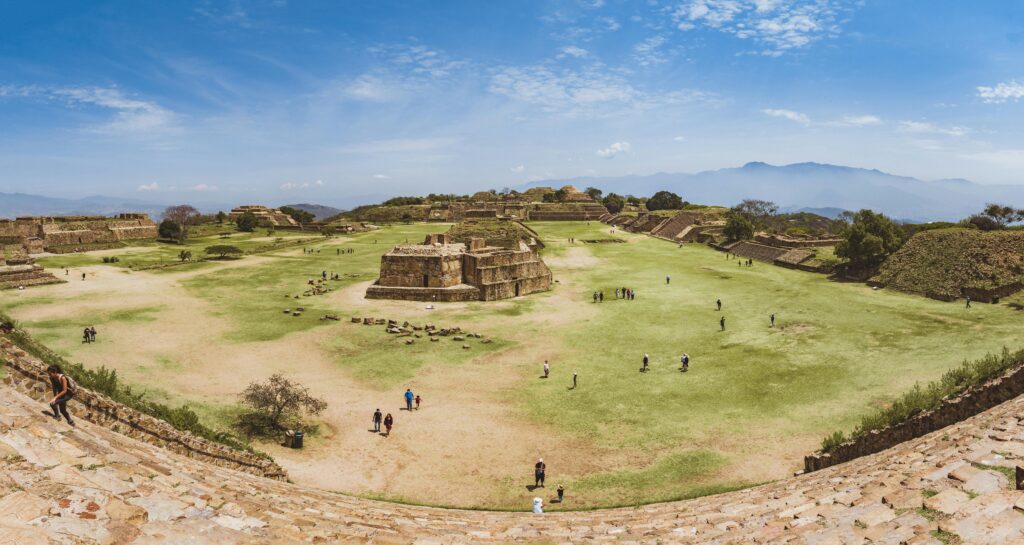
Monte Alban is a pre-Hispanic archeological zone with great pyramids, including underground passageways, tombs, buildings, ceramics and jewelry. It is located at the summit of a hill that rises 1948 meters above sea level in the southwest of the central valley of Oaxaca City. This city was inhabited over a period of 1500 years by a succession of people Olmecas, Zapotecas and Mixtecas. Monte Alban is now one of the most important ruins in Oaxaca. Its cultural development and monumental architecture have become representative of the region of Oaxaca.
Hierve el Agua
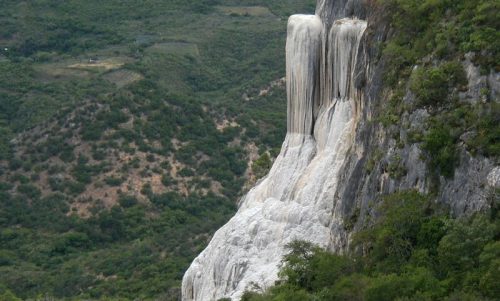
Hierve el Agua is a petrified waterfall that consists of white waterfall rock formations and cliffs which rise between fifty and ninety meters from the valley below. The falls are formed by small amounts of water that bubble up continuously over the rocks and are saturated with calcium carbonate and other minerals that come to the surface through cracks and openings on the mountainside.
Arbol del Tule
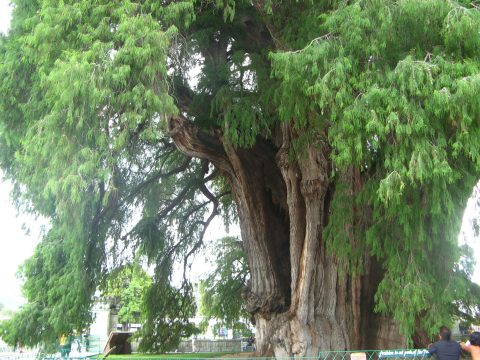
The Tule tree is more than 2,000 years old; it is the biggest and oldest tree in Mexico and one of the largest in the world, located in the town of Santa Maria el Tule. It truly inspires the imagination of the tourists and visitors, because by seeing its trunk and branches many people say they can make out figures and outlines such as human faces, lions, jaguars, elephants and a variety of other creatures. Recent studies of DNA samples from the tree indicate that it is in fact a single individual tree, and it still growing healthy and strong. The Tule tree is the only tree left of its kind in the entire world.
Mitla
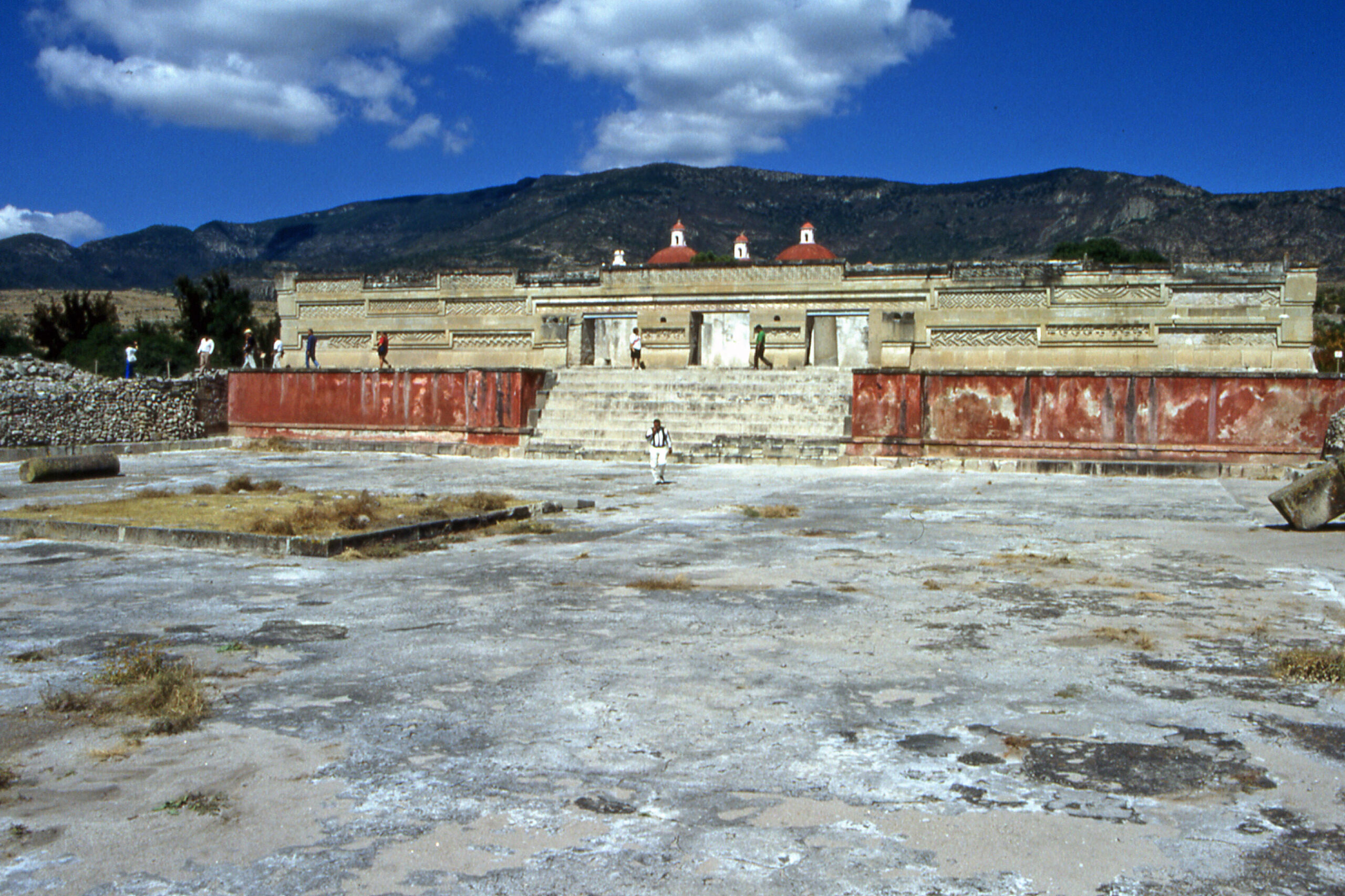
Mitla is the second most important archeological zone after Monte Alban. This site is located 45 kilometers from Oaxaca City in the upper end of Tlacolula. This town has architecture influenced by both the Zapotecs and Mixtecs people. However, what makes Mitla unique is the elaborate and intricate mosaic fretwork and geometric designs that cover tombs, panels, and even entire walls. Instead of being a group of pyramids on a hill like Monte Alban, Mitla is a unique city comprised of tunnels, archways, and other structures built on the valley floor. Today the archeological zone consists of five groups of buildings with a fence of cactus plants surrounding the zone.
Sierra Juarez
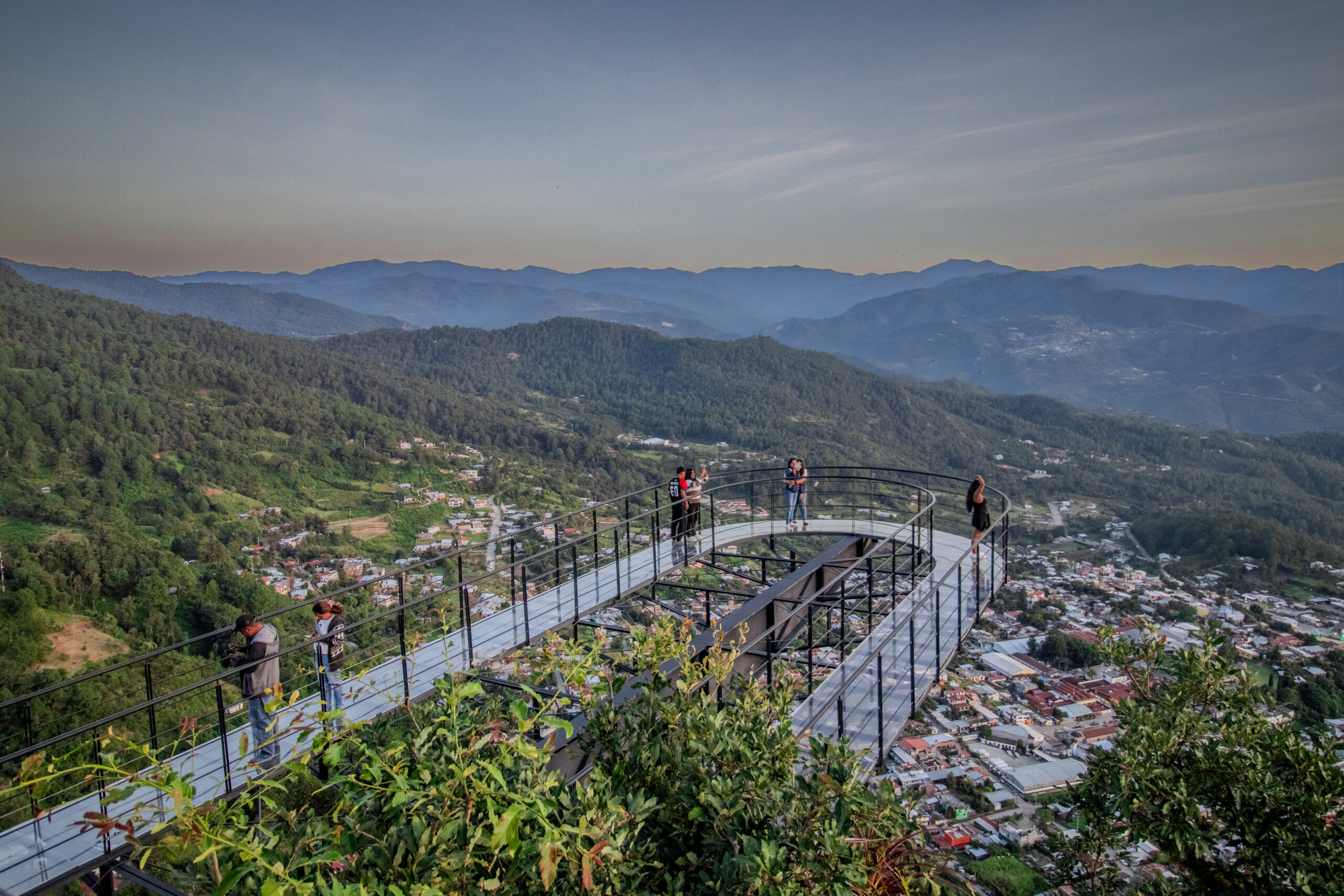
The Sierra Juarez is one of the most representative areas of Oaxaca for its sustainability of the mountain forests and its ecotourism. The mountain villages of the Sierra Juarez region offer visitors a great experience with nature attractions that will never forget. The biodiversity is one of the most preserved in the state; there are more than 450 bird species and 350 butterfly species that can be observed in their natural ecosystem.
Ixtlan de Juarez
Mitla is the second most important archeological zone after Monte Alban. This site is located 45 kilometers from Oaxaca City in the upper end of Tlacolula. This town has architecture influenced by both the Zapotecs and Mixtecs people. However, what makes Mitla unique is the elaborate and intricate mosaic fretwork and geometric designs that cover tombs, panels, and even entire walls. Instead of being a group of pyramids on a hill like Monte Alban, Mitla is a unique city comprised of tunnels, archways, and other structures built on the valley floor. Today the archeological zone consists of five groups of buildings with a fence of cactus plants surrounding the zone.
Calpulalpam de Mendez
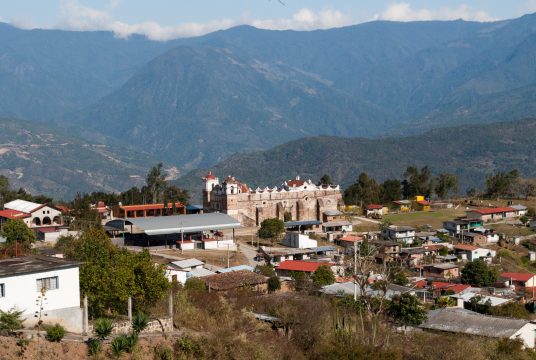
Capulalpam is located in one of the best-preserved natural areas in Mexico. This mountain village is framed by its architecture based on adobe, bricks, and is surrounded by beautiful landscapes.
Mercado 20 de Noviembre
The date November 20th refers to the official holiday for the Mexican Revolution Day that is celebrated annually in Mexico.
Mezcal Distillery
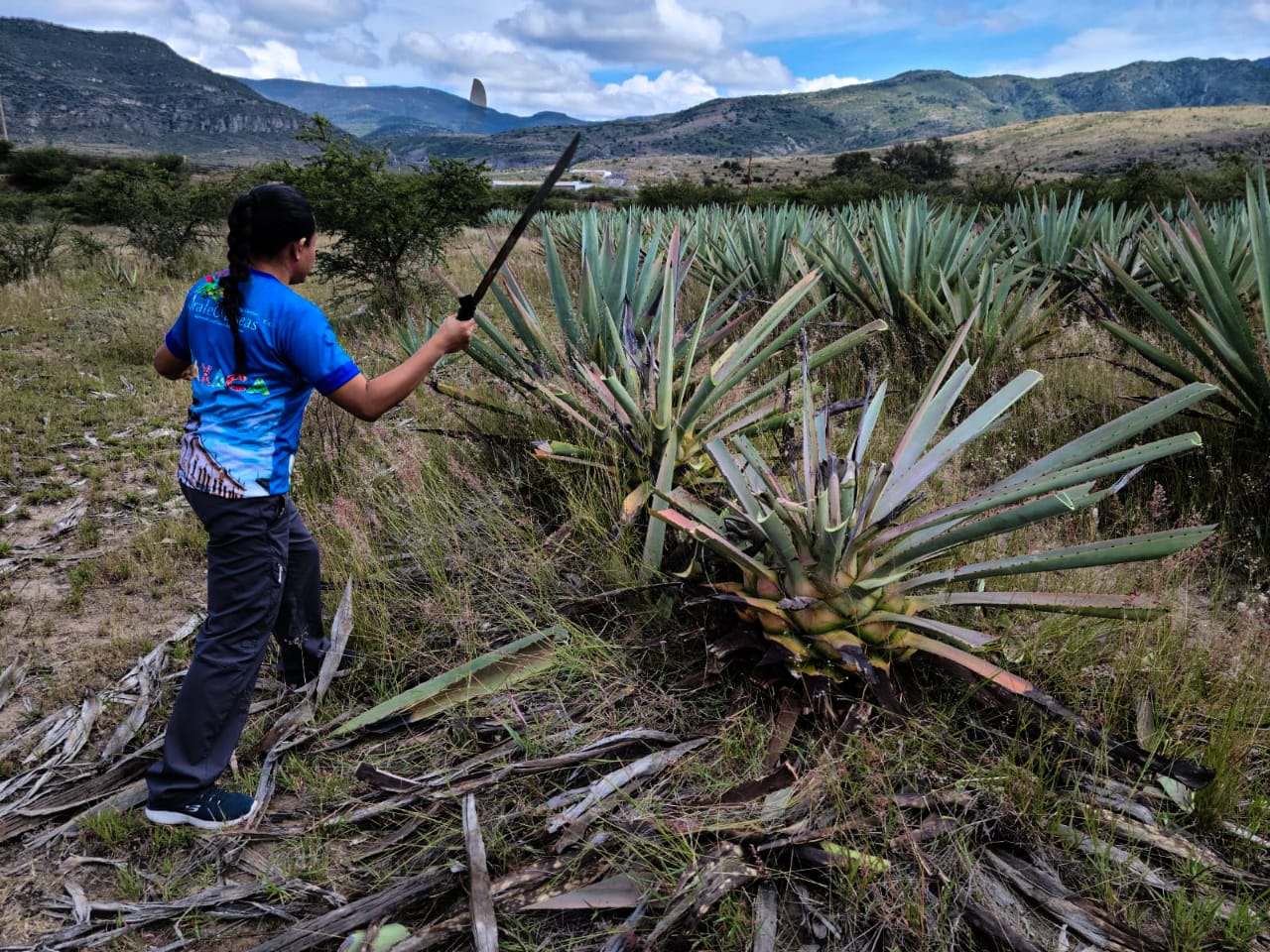
We chose two best Mezcal distilleries for introducing people to Mezcal because they stay true to tradition and honor the ceremonial purpose of this sacred liquor. You will be visiting two distileries and one agave plantation and learning about the Mezcal production process.
The Organic Market "El Pochote"
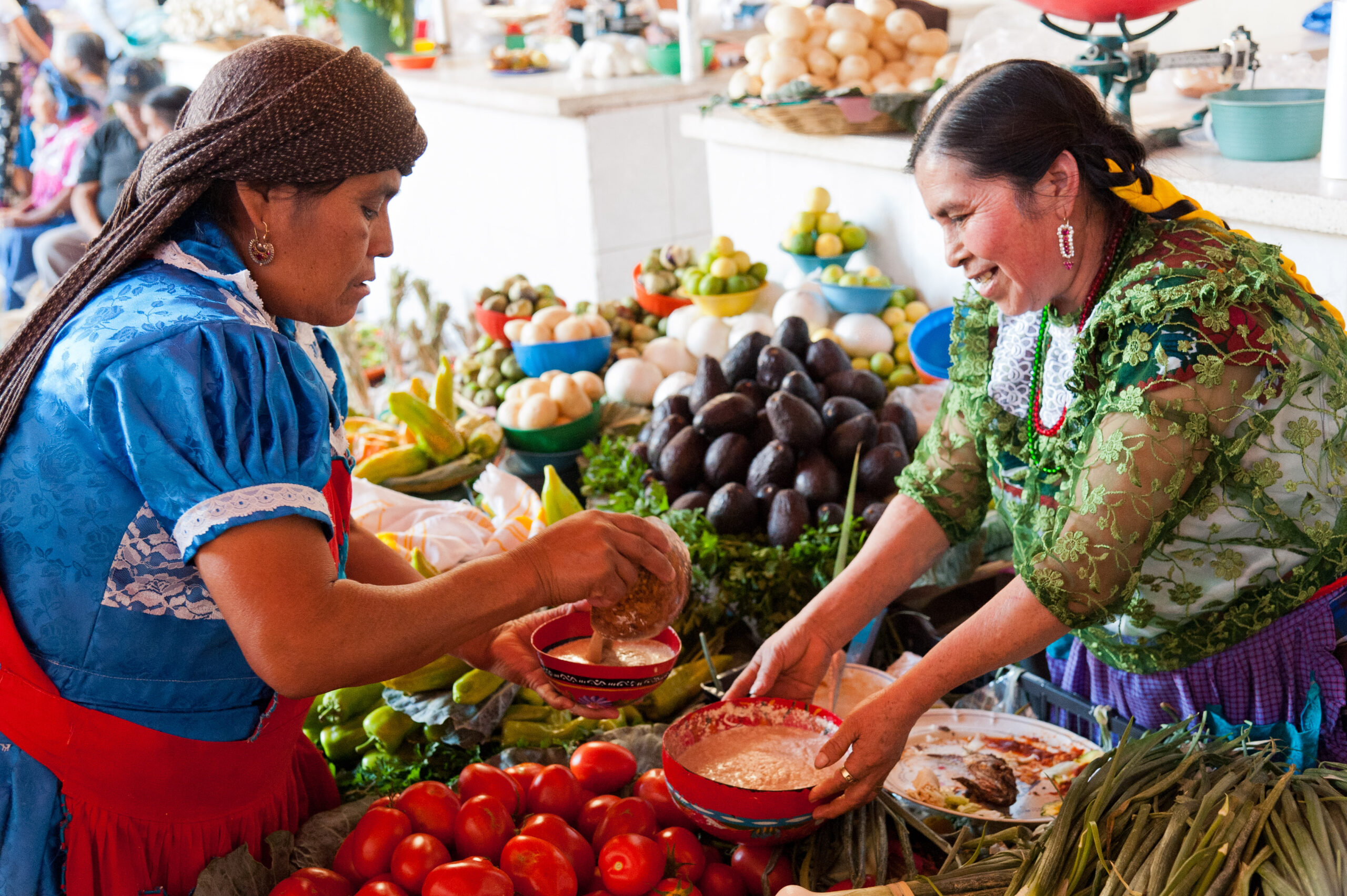
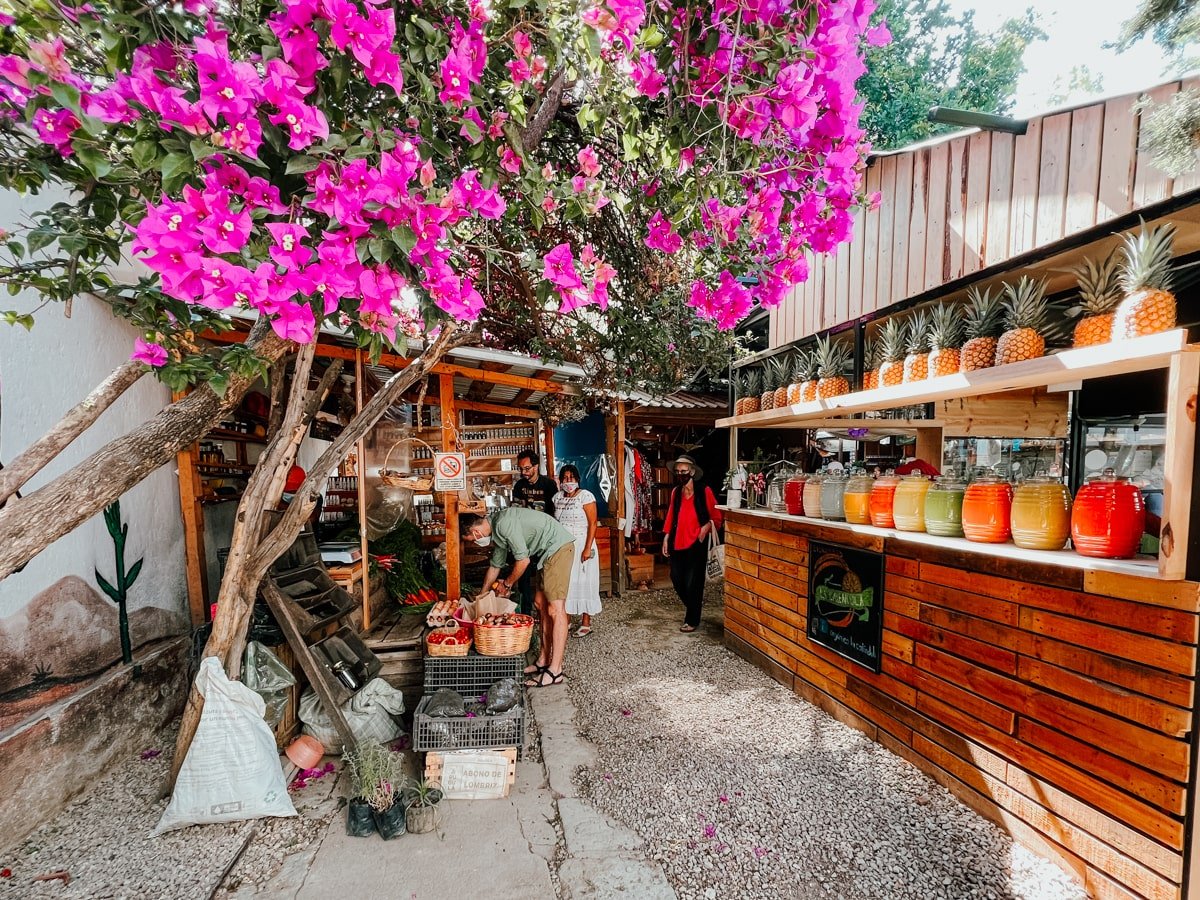
The Pochote market is an organization of local organic producers that was founded in November 2013. All the food and products that you will find are 100% organic.
The market operates on Friday and Saturday and offers all kinds of products of excellent quality with several stalls selling fresh seasonal fruits and vegetables.
Ancient Temple "Cuilápam"
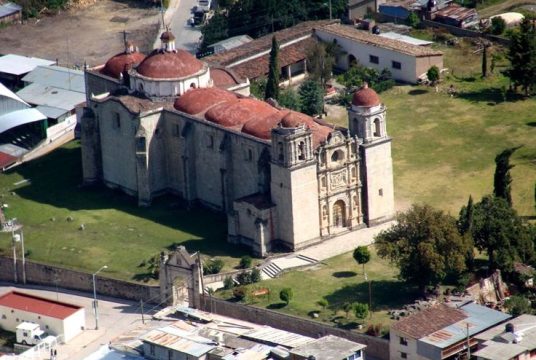
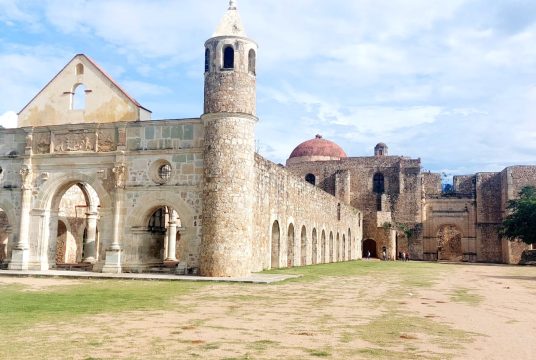
The temple is located in the community of Cuilápam de Guerrero, 10 km from the city of Oaxaca. A place where a traditional dance was born, the dance of the feather. The design of the buildings was carried out by the Dominicans Fray Antonio de Barbosa and the first vicar: Fray Domingo de Aguiñaga, but the construction material was provided by the Zapotecs and Mixtecs who lived in the community of Cuilapam. This temple began to be built in 1555, but due to a political conflict between the Cortes family and the Spanish crown, the work was interrupted. It was not until 1561 when the construction was resumed again until it was finished.
San Sebastian de las Grutas
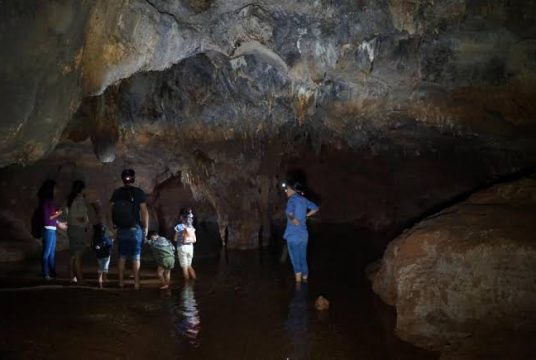
Is a place of magic and darkness where an underground river and archaeological traces take shape. The river is named “Ojo de agua” which means Eye of the water, and located two hours away from Oaxaca city.
The legends tell that a shepherd was walking with his flock through the field when an animal fell into a deep hole. The inhabitants rescued the animal and discovered some underground caves that are now open to the public to observe. The caves have more than 20 entrances scattered throughout the region. These caves were explored for the first time in the 70’s, it was discovered that they join a nearby cavern called Li Nita and this cave system is unique in the world. In these caverns you can see a lot of limestone formations created from the water seepage of different forms and sizes around it. And It is now an adventure tourism center.